General Dentist Aurora: Smart Questions to Ask at Your Next Visit

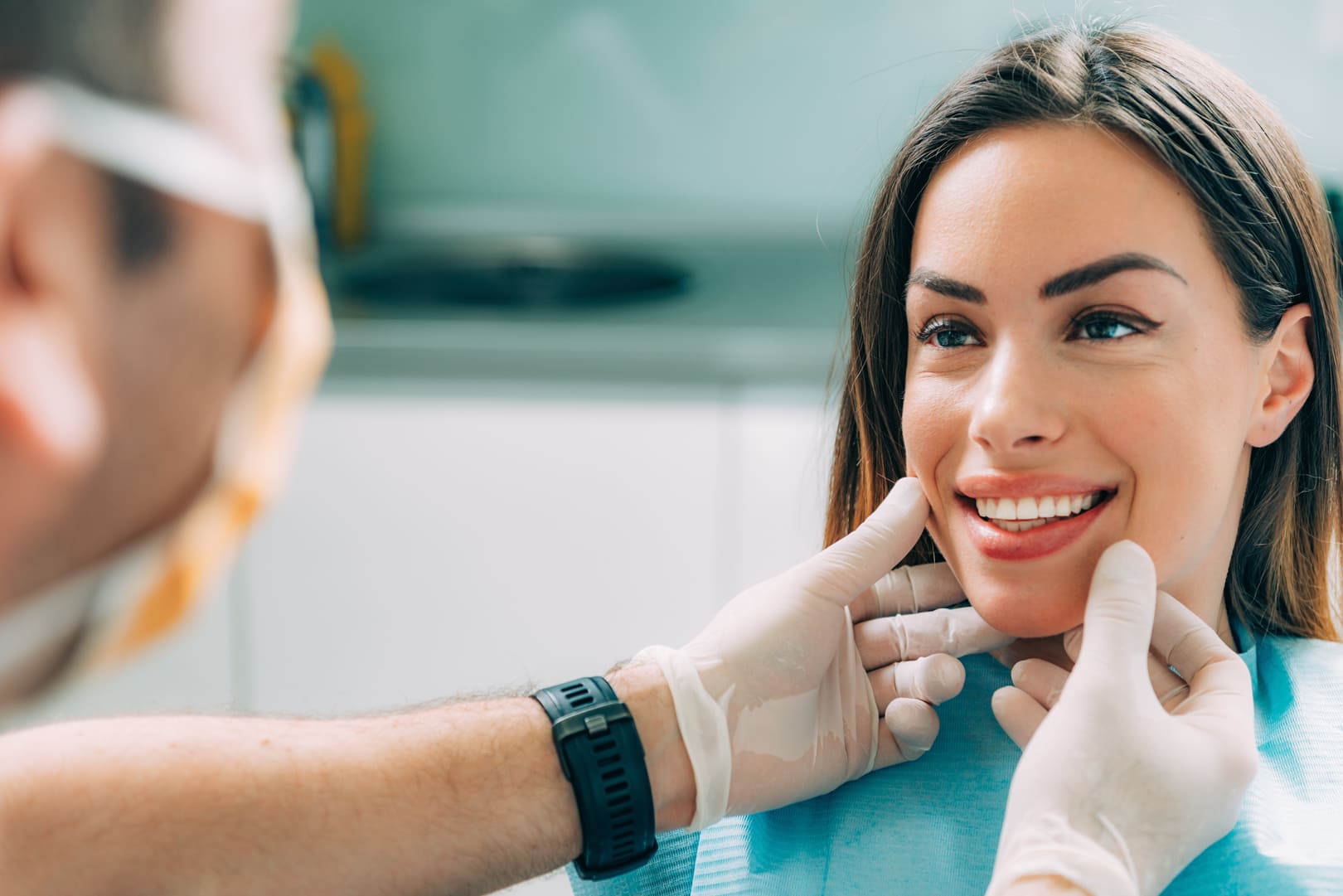
Most people walk into a dental appointment ready to answer questions, not ask them. They sit back, open wide, and wait for instructions. That is understandable. Dentistry can feel technical, rushed, and unfamiliar, especially if you have not had a consistent routine of care. Still, some of the most useful dental visits happen when patients come in curious, prepared, and willing to have a real conversation.
If you are seeing a General Dentist Aurora patients trust for preventive and restorative care, the quality of your questions matters. A good question can uncover early warning signs, clarify treatment options, save money over time, and help you make decisions that fit your health and budget. It can also change the dynamic of the appointment. Instead of passively receiving care, you become part of the decision-making process.
That shift is not just philosophical. It has practical value. A patient who asks why gum measurements have changed since the last visit may catch gum disease before it becomes advanced. Someone who asks whether a cracked tooth can be monitored or should be crowned may avoid an emergency months later. Even a simple question about whether clenching is wearing down enamel can explain years of tooth sensitivity and headaches.
The goal is not to challenge your dentist or turn the appointment into a negotiation. The goal is to understand what is happening in your mouth, what deserves attention now, and what can reasonably wait.
Why the right questions matter more than people think
Dental care is full of gray areas. Some findings are obvious. If a tooth is broken to the gumline and causing pain, treatment tends to be straightforward. But a great many dental decisions live in the middle ground. A small cavity may need treatment soon, but perhaps not urgently. A wisdom tooth may be quiet today and troublesome later. A worn filling might last six months or six years. The right answer often depends on risk, symptoms, bite forces, home care, and the patient's tolerance for watchful waiting.
That is why smart questions are so valuable. They help you understand the difference between urgent needs and longer-term planning. They also give your dentist room to explain clinical judgment, not just clinical findings.
Experienced dentists usually appreciate thoughtful questions. In fact, the better the practice, the more likely you are to hear an answer that includes nuance. You may hear phrases like, "I am not worried today, but I want to keep an eye on it," or "This could be patched, but a crown would be more predictable because of the amount of tooth structure missing." Those are useful answers. They reveal how the dentist thinks, what they are balancing, and what risks they see ahead.
Patients often tell me that dental visits become less stressful once they understand the reasons behind recommendations. Fear thrives in ambiguity. Specifics help.
Start with the big picture, not just the cleaning
One of the most helpful ways to frame a dental visit is to ask for an overall assessment before getting lost in details. Many people focus only on what hurts, what insurance covers, or whether they need a filling. Those are fair concerns, but they are not the whole story.
A strong opening question is, "What are the top two or three things you see in my mouth that I should pay attention to this year?" That single prompt tends to reveal priorities quickly. It forces the conversation beyond plaque and polish. You may learn that your gums are stable but your enamel shows acid wear, or that your teeth are fine but an old crown margin is starting to leak.
Another useful variation is, "If this were your mouth, what would you handle first?" Dentists are trained to be precise and objective, but this question often invites a more practical answer. It can help when there are multiple findings and you need help sorting out what truly matters.
Patients are sometimes surprised to learn that what looks dramatic on an X-ray may not be the most pressing issue, while a seemingly minor crack or pocketing around a molar could deserve much more attention. Dentistry is not always intuitive from the outside. Asking for a high-level view keeps the appointment grounded.
Questions that uncover hidden problems early
The most valuable dental questions are often the ones that target changes before they become emergencies. You do not need technical vocabulary to ask them. What matters is whether they prompt a specific clinical explanation.
Here are a few that consistently lead to useful conversations:
- Have you noticed any changes since my last visit in my gums, bite, enamel, or old dental work?
- Are there any areas you want to monitor, even if they do not need treatment today?
- Do you see signs that I grind or clench my teeth?
- Is there anything in my home care routine that is missing the mark?
- Based on what you see, am I more at risk for cavities, gum disease, or tooth wear?
These questions work because they move beyond the basic pass-or-fail mindset many people bring to dentistry. You are not just asking, "Do I have cavities?" You are asking about trajectory. Is your oral health stable, improving, or drifting in the wrong direction?
That distinction matters. A patient with no current cavities but obvious dry mouth, recession, and root exposure may be at high risk for future decay. Another patient with one tiny cavity but excellent habits may have a low overall risk profile. Those are different situations, and the advice should differ.
If your dentist mentions early demineralization, gingival inflammation, or occlusal wear facets, ask what that means in plain terms. A good explanation might sound something like this: the enamel is starting to weaken in a few spots, the gums are puffy because plaque is sitting near the gumline, or the chewing surfaces are flattening because of night grinding. Once translated, the problem becomes understandable and actionable.
When treatment is recommended, ask what problem it is solving
One of the most common communication gaps in dentistry happens after a recommendation is made. The patient hears, "You need a crown on this tooth," but may not fully understand why. Is the issue decay, a fracture, a failing large filling, or a root canal-treated tooth that has become brittle? The treatment is only half the story. The underlying problem matters just as much.
A practical question is, "What specific risk are you trying to prevent by treating this now?" The answer may be that the tooth is likely to crack further, the cavity could spread under the filling, or the gum infection may worsen and start affecting bone support. Once you know the risk, the recommendation makes more sense.
It is also reasonable to ask how predictable each treatment option is. For example, a dentist may be able to place a large filling instead of a crown, but the filling might have a shorter lifespan if the tooth is already weakened. In another case, replacing a worn filling could be straightforward and conservative, while postponing it risks decay beneath the surface. These are judgment calls, and patients deserve to understand the trade-offs.
There are times when several routes are defensible. A mildly cracked tooth with no pain may be monitored, restored with a filling, or protected with a crown depending on how extensive the crack is, where it runs, and how heavy the bite forces are. If your dentist presents one option quickly, it is perfectly appropriate to ask whether there are reasonable alternatives and what the downside of each would be.
That is not second-guessing. That is informed consent.
Cost matters, and good dentists know that
Money is one of the most uncomfortable topics in healthcare, yet avoiding it usually makes things worse. Dental treatment can be expensive, and insurance often does not align neatly with what is clinically ideal. Patients should never feel embarrassed about asking financial questions directly.
A thoughtful approach is to separate urgency from sequencing. You might ask, "What needs to happen now, and what could safely be phased over the next six to twelve months?" That opens the door to planning. Many dental offices can stage treatment in a way that addresses active disease or structural risk first while postponing less urgent cosmetic or elective care.
You can also ask whether there is a more conservative option that still protects the tooth. Sometimes there is, sometimes there is not. A bonded filling may buy time in a compromised tooth. A night guard may help protect work you already have. Periodontal maintenance may help stabilize gums before larger restorative treatment begins. The point is not always to choose the cheapest route. It is to General Dentist Aurora understand the value and limitations of each path.
Patients in Aurora often search for a General Dentist Aurora residents recommend because they want both quality care and clear communication. That second piece is not minor. A skilled dentist who explains timing, prognosis, and cost openly tends to build much more trust than one who simply hands over a treatment plan with numbers attached.
If insurance is part of the equation, ask what the office can estimate and what remains uncertain. Benefit plans vary widely. Some cover cleanings and X-rays well but contribute modestly to crowns or periodontal therapy. Annual maximums can be exhausted quickly. A transparent office will explain what is known, what is estimated, and what you may be responsible for if the insurer pays less than expected.
The cleaning visit is the right time to talk about gums
Many patients still think of gum disease as something dramatic, obvious, or limited to older adults. In reality, early gum problems are common, and they do not always hurt. Bleeding when flossing, persistent puffiness, a bad taste near certain teeth, or gradual recession can all be signs worth discussing.
If your gum numbers are being charted, ask whether they are stable compared with prior visits. Stability is often the key marker. A few 4 millimeter pockets that never change and do not bleed may be less concerning than pockets that deepen over time or areas that bleed consistently despite regular cleanings.
One of the smartest questions you can ask is, "What do my gums need from me at home to stay healthy between visits?" The answer may be more specific than "floss better." It may involve cleaning technique around a bridge, using interdental brushes, focusing on lower front teeth where calculus tends to collect, or adjusting brushing pressure if recession is being worsened by scrubbing too hard.
This is also the right moment to ask whether your cleaning interval fits your risk. Six months is common, but it is not a magic number for every patient. Some people with a history of gum disease, heavy tartar buildup, dry mouth, smoking, diabetes, or difficult-to-clean dental work do better with more frequent maintenance. Others with stable gums and strong home care may remain healthy on a standard recall schedule. The decision should come from your clinical picture, not habit alone.
If you have dental anxiety, say it plainly
A surprising number of adults still apologize for being nervous at the dentist. They should General Dentist Aurora not. Anxiety changes how people process information, tolerate procedures, and follow through with care. Acknowledging it early helps the team adjust.
You do not need a dramatic explanation. A simple statement works: "I get anxious when I do not know what is coming," or "Numbness is the part that stresses me out most," or "I have had bad experiences with dental pain before." That gives the dentist something useful to work with.
When anxiety is on the table, better questions tend to follow. Ask how long the procedure usually takes, what you are likely to feel, when you should signal for a break, and whether there are comfort options worth considering. Sometimes the solution is as simple as more local anesthetic, slower pacing, or a clear step-by-step explanation during treatment. In other cases, nitrous oxide or oral sedation may be appropriate, depending on the office and your medical history.
One patient I once heard about had avoided treatment for years because she assumed every procedure would feel like one particularly rough filling from college. What finally changed her pattern was not a miracle technique. It was a ten-minute conversation before treatment, where the dentist explained what had changed since that old experience, how numbness would be verified before starting, and how they would stop immediately if she raised her hand. The clinical work mattered, but trust unlocked it.
Questions about habits, medications, and health changes
Your mouth reflects more than brushing and flossing. Dry mouth from medications, reflux, diabetes, sleep apnea, pregnancy, orthodontic retainers, sports drinks, cannabis use, and stress-related clenching can all change what a dentist sees. Yet many patients do not realize these details are relevant, so they leave them out.
If something in your health has changed, ask whether it affects your oral risks. New antidepressants, blood pressure medications, antihistamines, and ADHD medications can reduce saliva. Saliva is not just moisture. It buffers acids, helps remineralize enamel, and supports the oral environment. Less of it often means more cavity risk, especially around the gumline.
Likewise, if you wake up with jaw soreness, headaches near the temples, or chipped edges on front teeth, ask whether clenching might be contributing. A lot of people assume grinding only happens if someone hears loud noises at night. In practice, many clenchers are silent. The signs show up as muscle tenderness, wear, craze lines, fractured fillings, or a sense that teeth feel tight in the morning.
Patients who drink lemon water throughout the day, sip energy drinks at work, or snack frequently while grazing at a desk may be surprised to learn that timing matters as much as quantity. Repeated acid exposure and constant carbohydrate intake can keep the mouth in a demineralizing state for hours. That does not mean you can never enjoy those things. It means your dentist may recommend changing when you have them, rinsing with water afterward, or avoiding brushing immediately after acidic drinks when enamel is temporarily softened.
How to tell if a recommendation is urgent or can wait
This is one of the most useful distinctions to clarify during any visit. Not every finding is an emergency, but not every delay is harmless either. The challenge is knowing which is which.
Ask your dentist to place the issue into one of three buckets: needs treatment soon, can be monitored for now, or is mainly elective. Those categories are plain enough for anyone to understand, and they often cut through confusion quickly.
Urgent or near-urgent treatment usually involves active pain, infection, swelling, a tooth at high risk of breaking, rapidly progressing decay, or significant gum problems that threaten support around teeth. Monitorable conditions may include small areas of wear, early non-cavitated lesions, stable cracks with no symptoms, or old restorations that are aging but still functioning. Elective care often includes whitening, minor cosmetic bonding, or replacing restorations that are unattractive but serviceable.
That said, timing has a way of changing. A watch area can become a treatment area after six months of dry mouth, missed hygiene, or one hard bite on the wrong popcorn kernel. This is where context matters. The best dentists explain not only what they see today, but what signs would trigger a different decision later.
A short checklist you can bring to the appointment
If you tend to forget questions once you are in the chair, it helps to bring a simple note on your phone. Keep it brief. You do not need a script.
- What has changed since my last visit?
- What do you want to monitor?
- What matters most this year for my mouth?
- If treatment is needed, why now and what happens if I wait?
- Is there anything I should change at home?
Those five prompts cover far more ground than most patients realize. They open the door to prevention, prioritization, and practical self-care without turning the visit into an interrogation.
What a good answer sounds like
Patients sometimes ask how they can judge whether a dentist is communicating well. A strong answer is usually specific, plainspoken, and balanced. It tells you what the issue is, why it matters, what your options are, and how confident the dentist feels about each route.
For example, a vague answer might be, "This filling is old, we should replace it." A better one sounds more like this: "The filling on your upper left molar has a gap starting at the edge. I do not see a large cavity under it yet, and you are not having pain, but food can pack there and decay can spread under the restoration where we cannot clean it well. Replacing it in the next few months is reasonable. Waiting longer may mean the tooth needs a larger filling or crown."
That level of explanation gives you something to work with. It also tends to reveal whether recommendations are thoughtful rather than automatic.
When you are looking for a General Dentist Aurora families can return to year after year, this may be one of the best filters available. Technical skill matters enormously, but so does judgment, and judgment is easiest to recognize when a clinician can explain it clearly.
Your dental visit should leave you clearer, not more confused
A worthwhile dental appointment does not require dramatic news or a spotless report card. It requires clarity. You should walk out knowing whether your mouth is stable, where the risks are, what deserves action, and what you can do at home to tilt the odds in your favor.
That clarity rarely happens by accident. It usually comes from a two-way conversation, where the dentist brings expertise and the patient brings curiosity. Smart questions help bridge that gap. They make the visit more useful, the recommendations easier to trust, and the plan easier to follow through on.
If your next appointment is already on the calendar, take thirty seconds beforehand and jot down what you want to know. Ask about changes, risks, timing, and habits. Ask what the dentist would watch if this were their own mouth. Ask what one improvement would matter most between now and your next visit.
Those questions are simple. Their value is not.
Aspenwood Dental Associates and Colorado Dental Implant Center
Address: 2900 S Peoria St Ste C, Aurora, CO 80014
Phone number: +13037314037
FAQ About General Dentist Aurora
What is meant by general dentistry?
General dentistry refers to the primary, foundational tier of oral healthcare, focused on the prevention, diagnosis, and treatment of conditions affecting the teeth, gums, and jaw. General dentists serve as a patient's main, long-term dental care provider—much like a primary care physician.
What is general dentistry and orthodontics?
General dentistry and orthodontics are two specialized branches of dental care. General dentistry serves as your primary care for overall oral health, focusing on routine cleanings, fillings, and disease prevention. Orthodontics is a specialized field focused entirely on diagnosing and correcting misaligned teeth and jaw structures using braces or clear aligners.
What are type 3 dental services?
Type 3 dental services typically include major restorative treatments that repair or replace damaged or missing teeth. These services are more complex and costly than preventive or basic dental care. Common examples of type 3 dental services include: Dental crowns.